





Uncategorised
Are human supplements good for dogs too?
14 June 2024
Share
Ever wondered if sharing your multivitamins or supplements with your pet could give them an added health boost? After all, what’s good for us is usually good for them. Right?
Wrong. That’s not a fact. It’s fluff.
In fact, human supplements can be harmful to our pets for a few different reasons.
Some human supplements can be toxic for your pets.
Human supplements cater to human taste and metabolism, often containing artificial sweeteners and other additives that make them more appealing for us but toxic for pets. Take xylitol, for instance, a sweetener that’s incredibly toxic to dogs and can result in rapid blood sugar drops and liver failure. In severe cases, it can even cause death.
Dogs and cats need different essential nutrients than humans.
Essential nutrients are vital for health and have to come from food since the body can’t produce them. While dogs and cats generally need the same types of nutrients we do, they don’t necessarily need to get them in the same amounts from their diet. For instance, unlike humans, they can synthesise vitamin C internally, reducing concerns like scurvy.
It is also possible to have too much of a good thing. Giving pets human supplements can lead to harmful nutrient overdoses. For instance, dogs require less vitamin D than humans. Excessive vitamin D intake can cause kidney failure and other serious health issues.
Things like human probiotics are also less useful in pets as they have a very different gut microbiome to humans and benefit more from species-specific options.
Stick to pet-specific supplements unless your vet advises otherwise.
If your pet is on a complete commercial diet, they probably don’t need extra supplements, unless recommended by a vet for a specific condition. Diets like The Nosh Project are designed to fulfill all their nutrient needs for their life stage – no extras necessary.
That said, there are some valid occasions when supplements might help:
- For arthritis management, consider glucosamine, chondroitin, and Omega-3 supplements
- Enhance skin and coat health with zinc, vitamin E, Omega-3, and Omega-6 supplements
- After a tummy upset, probiotics can restore healthy gut bacteria
Feeding your pet a homemade diet?
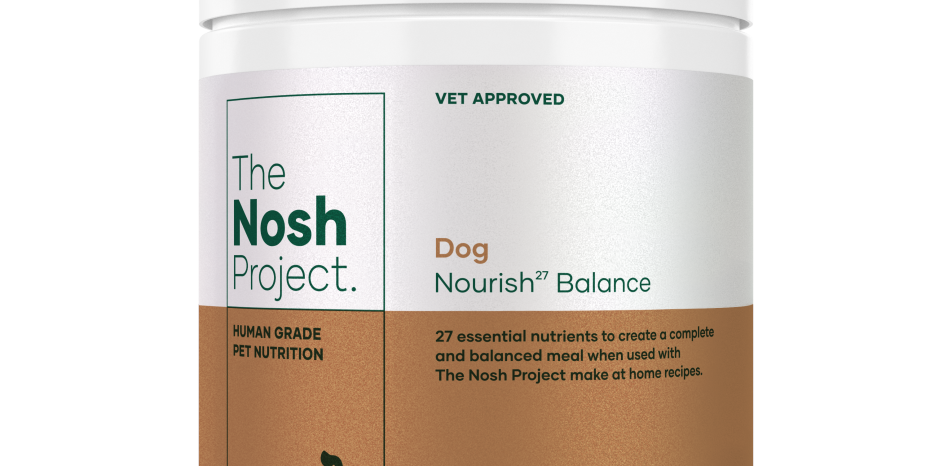
If you’re feeding a homemade diet, it’s likely you’ll need to add certain supplements to make sure they’re getting the nutrients they need. Nosh Dog Nourish²⁷ Balance is designed specifically to do that, providing all the essential vitamins, minerals and nutrients home cooked food may not have.
The Nosh Project recipes provide all the nutrients your pet needs for a happy, healthy life.
Whether you’re serving up Nosh bowls or whipping up homemade meals with Nourish Meal Balancer, your pet’s getting all the vital nutrients they need.
Share
Keep reading
2 mins read
Do cats need a meat-only diet? Unpacking diet myths around obligate carnivores
Cats are the ultimate hunters. From their sensitive ears and eyes to their sharp teeth and shorter intestinal tracts, feline anatomy has evolved to give them an advantage in catching and digesting small prey. But the modern housecat’s lifestyle looks very different to their ancestors’. Read on to learn the facts about obligate carnivores and […]
2 mins read
Feline nutrition 101: what’s the best food for my cat?
What is the best food for cats? Ask the internet and you’ll get hundreds of different opinions. How do you know when it comes to cat nutrition? Common myths about feeding cats Many misconceptions about feline nutrition can be tied to misunderstandings of what it means to be an obligate carnivore. Cats evolved to be […]
2 mins read
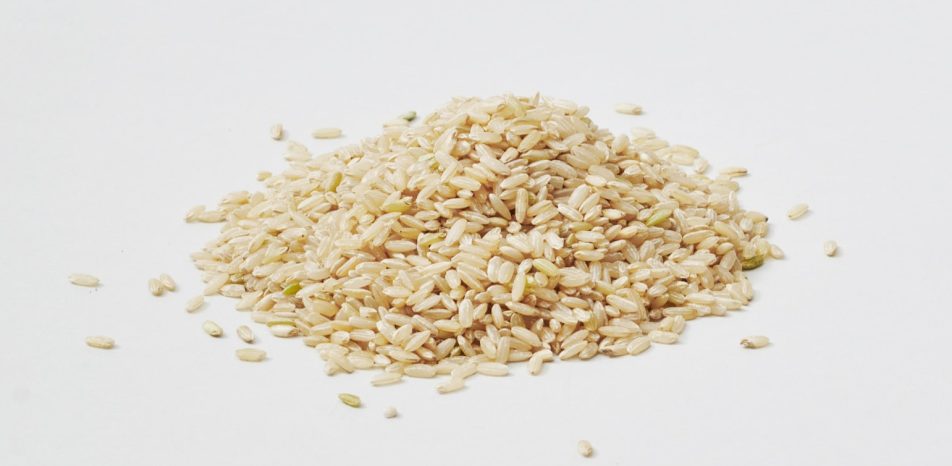
Can cats eat rice?
Rice is found in many pantries around the world, but should this staple grain be a staple in your cat’s diet? We’ve boiled down the basics. Can cats eat rice? The long and short of it, is yes. Plain, cooked rice is not toxic to cats and may be found in existing cat food recipes. […]
2 mins read
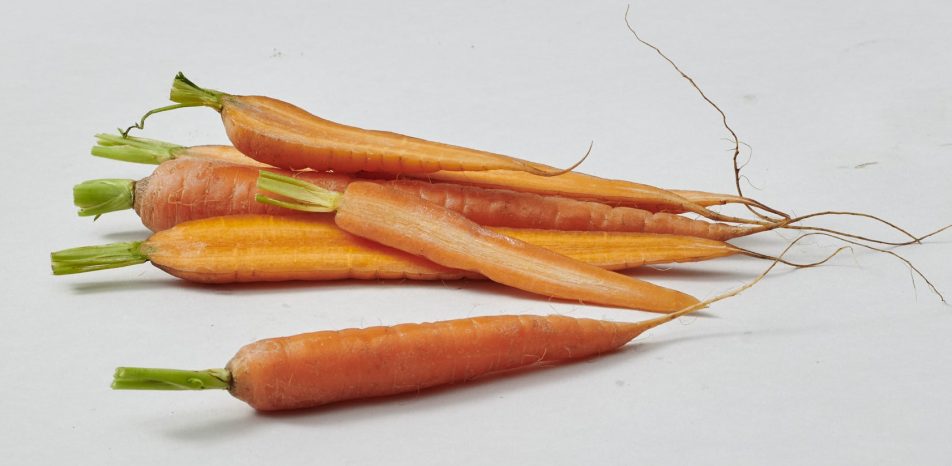
Can cats eat carrots?
Carrots are a superfood for herbivores and omnivores. Raw or cooked, they are full of nutrients, but are carrots good for cats? We’ve peeled back the raw truth. Can cats eat carrots? Yes, cats can safely consume carrots. Unlike some other fruits and vegetables, carrots aren’t toxic and can be used as a healthy ingredient […]
2 mins read
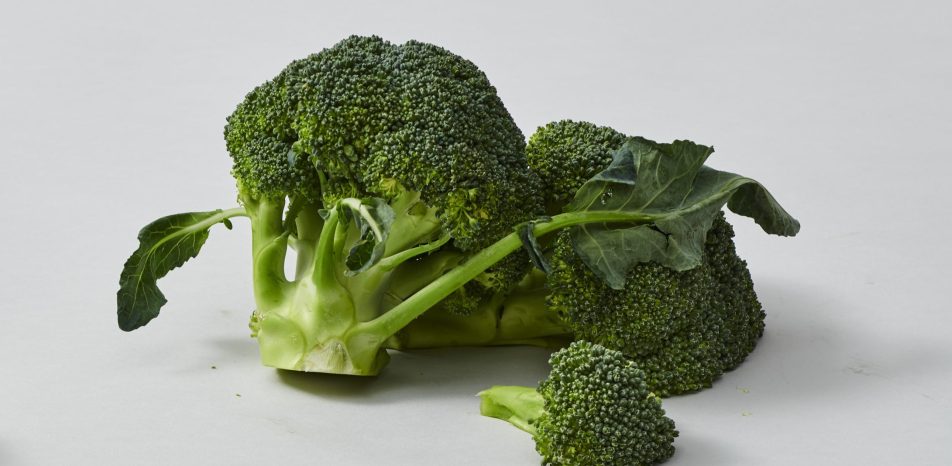
Can cats eat broccoli?
The ‘mini trees’ of the vegetable kingdom, broccoli is known for being a lean, green machine packed with micronutrients that benefit human health. But what about cats; can broccoli be included as an ingredient in cat food? We’ve dug up the basics on this cruciferous bunch. Can cats eat broccoli? Broccoli is not toxic to […]