





Uncategorised
Are meat-only diets the best food for your dog?
11 January 2024
Share
Are meat-only diets the best food for your dog?
Home-made diets have become increasingly common among dog owners in recent years. One popular diet option is meat-only diets, which developed from the belief that because ancestral dogs evolved hunting prey, a diet consisting solely of raw meat and nothing else is best for dogs.
That’s not a fact; it’s fluff.
There are a lot of anecdotal benefits you may have heard about meat-only diets; however, these claims have yet to be supported by any statistically significant studies. The truth is dogs are omnivores and they obtain a range of vital nutrients from non-meat sources like vegetables as part of a healthy diet.
Dogs have evolved a lot since they were first domesticated.
One of the biggest arguments for meat-only diets is that it’s closer to a dog’s ancestral diet. These diets try to replicate the ratio of organs, bone, and muscle meat dogs would consume in the wild.
This idea neglects the fact that dogs have evolved since they were first domesticated by humans. Modern dogs’ digestive tracts are much more equipped to handle carbohydrates and fibre. Not to mention the fact that wild dogs would also consume the contents of their prey’s gastrointestinal tract, which would contain some level of carbohydrates and plant matter.
It’s difficult to make a meat-only diet complete and balanced.
Like most homemade diets, meat-only diets generally aren’t complete and balanced. They’re usually deficient in some essential nutrients, including:
- Calcium – a mineral that is vital for bone health, cell communication, and nerve function. Low calcium levels can lead to bone abnormalities, muscle tremors, and even seizures in severe cases.
- Vitamin D – a vitamin that plays an important role in regulating calcium and phosphorous metabolism. Deficiencies in vitamin D can lead to osteomalacia (bone “softening”) and related musculoskeletal issues such as fractures and deformities.
- Vitamin E – an important antioxidant that protects the body’s cells from damaging free radicals. Deficiencies in vitamin E may lead to muscle weakness, vision problems, and reproductive failure.
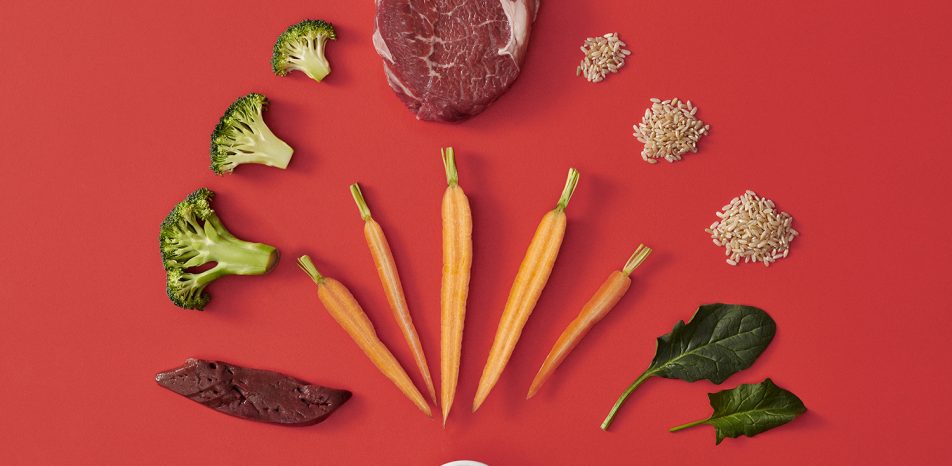
Incorporating vegetables, carbohydrates, and appropriate supplements help provide essential nutrients that are not easily derived from meat sources. They are also tasty additions with interesting textures that many dogs enjoy and can help play a role in providing your pet with enrichment.
Nosh uses high-quality ingredients sourced from local Aussie farmers to create nutritious meals for your dog.
Every recipe contains a carefully balanced blend of proteins, vegetables, grains, and Nourish27 Balance to provide all the nutrients your dog needs to thrive.
Shop Nosh today
Share
Keep reading
2 mins read
Do cats need a meat-only diet? Unpacking diet myths around obligate carnivores
Cats are the ultimate hunters. From their sensitive ears and eyes to their sharp teeth and shorter intestinal tracts, feline anatomy has evolved to give them an advantage in catching and digesting small prey. But the modern housecat’s lifestyle looks very different to their ancestors’. Read on to learn the facts about obligate carnivores and […]

2 mins read
Feline nutrition 101: what’s the best food for my cat?
What is the best food for cats? Ask the internet and you’ll get hundreds of different opinions. How do you know when it comes to cat nutrition? Common myths about feeding cats Many misconceptions about feline nutrition can be tied to misunderstandings of what it means to be an obligate carnivore. Cats evolved to be […]
2 mins read
Can cats eat rice?
Rice is found in many pantries around the world, but should this staple grain be a staple in your cat’s diet? We’ve boiled down the basics. Can cats eat rice? The long and short of it, is yes. Plain, cooked rice is not toxic to cats and may be found in existing cat food recipes. […]
2 mins read
Can cats eat carrots?
Carrots are a superfood for herbivores and omnivores. Raw or cooked, they are full of nutrients, but are carrots good for cats? We’ve peeled back the raw truth. Can cats eat carrots? Yes, cats can safely consume carrots. Unlike some other fruits and vegetables, carrots aren’t toxic and can be used as a healthy ingredient […]
2 mins read
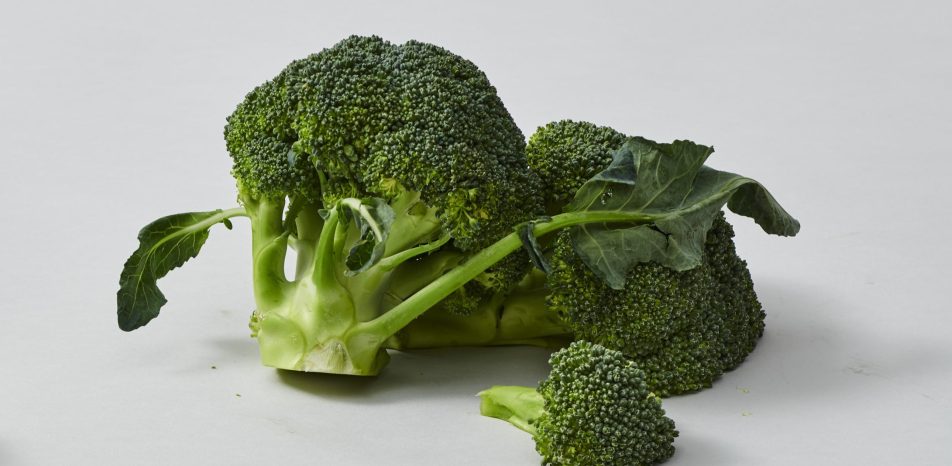
Can cats eat broccoli?
The ‘mini trees’ of the vegetable kingdom, broccoli is known for being a lean, green machine packed with micronutrients that benefit human health. But what about cats; can broccoli be included as an ingredient in cat food? We’ve dug up the basics on this cruciferous bunch. Can cats eat broccoli? Broccoli is not toxic to […]