





Uncategorised
Are table scraps a suitable diet for dogs?
11 January 2024
Share
Are table scraps a suitable diet for dogs?
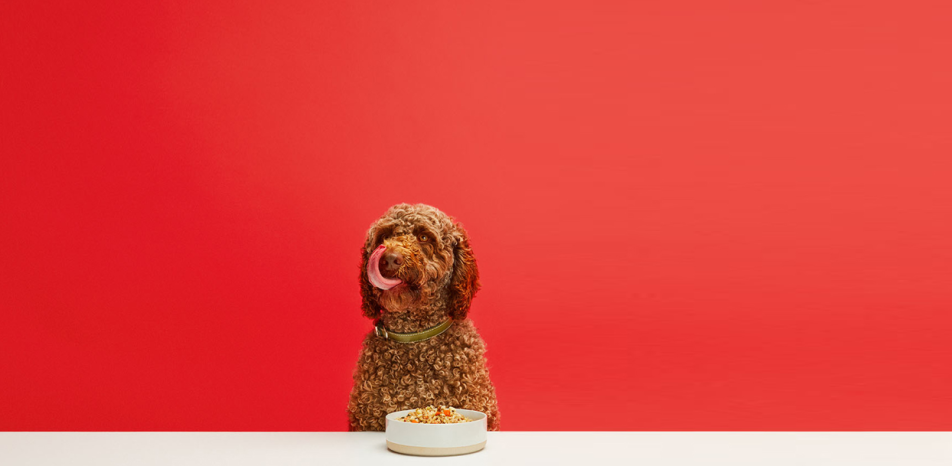
Do you ever wonder why you buy dog-specific food when your dog is convinced that your human meals are much more appealing? They’ll stare at you with those big puppy eyes as you try to eat, begging for a taste of human food. You may even be tempted to give in and feed them the same thing you eat every night, because surely what’s good for us is good for them?
Unfortunately, that’s fluff.
Leftovers are not suitable as a primary diet source for dogs. They may be a tasty treat, but table scraps have the potential to do more harm than good.
Some common ingredients in human foods are toxic to dogs.
How often do you add some form of garlic or onion to your food? Those two ingredients are toxic to dogs and can cause anaemia due to the breakdown of red blood cells.
Other common human food ingredients that are toxic to dogs include macadamia nuts, almonds, grapes, sultanas and raisins, and sweeteners like xylitol.
Humans and dogs have different nutritional requirements and tolerances.
Humans and dogs may both be mammals, but we have completely different daily nutrient requirements. If you’re feeding a dog the odds and ends from your dinner, they’re not getting a complete and balanced diet and are likely missing out on some essential nutrients while consuming an excess of others.
Not only are our nutritional needs different, but so are our tolerances. Compared to dog food, human food tends to be higher in fat. Because of the higher fat content, your dog may experience digestive upsets, obesity, and potentially medical conditions like pancreatitis.
Want to give your dog human-grade food that’s guaranteed to be suitable for them? Try The Nosh Project.
Nosh uses high-quality, human-grade ingredients in every single bowl. Whether you use the pre-made options or make the recipes yourself at home with Nourish27 Balance, you know your dog is getting a complete and balanced meal filled with the same ingredients you’d use in your own food.
Shop Nosh today
- Waltham pocket book of essential nutrition for cats and dogs 2nd Edited by D. Grandjean & R. Butterwick.
Share
Keep reading
2 mins read
Do cats need a meat-only diet? Unpacking diet myths around obligate carnivores
Cats are the ultimate hunters. From their sensitive ears and eyes to their sharp teeth and shorter intestinal tracts, feline anatomy has evolved to give them an advantage in catching and digesting small prey. But the modern housecat’s lifestyle looks very different to their ancestors’. Read on to learn the facts about obligate carnivores and […]
2 mins read
Feline nutrition 101: what’s the best food for my cat?
What is the best food for cats? Ask the internet and you’ll get hundreds of different opinions. How do you know when it comes to cat nutrition? Common myths about feeding cats Many misconceptions about feline nutrition can be tied to misunderstandings of what it means to be an obligate carnivore. Cats evolved to be […]
2 mins read
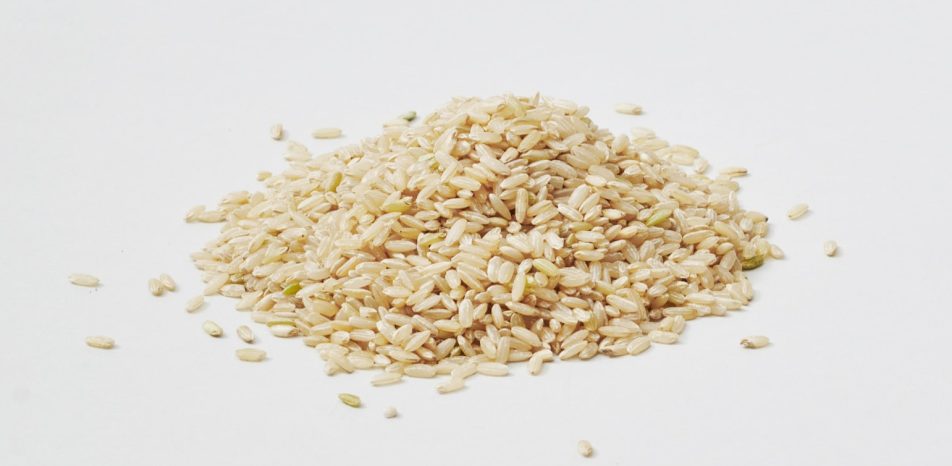
Can cats eat rice?
Rice is found in many pantries around the world, but should this staple grain be a staple in your cat’s diet? We’ve boiled down the basics. Can cats eat rice? The long and short of it, is yes. Plain, cooked rice is not toxic to cats and may be found in existing cat food recipes. […]
2 mins read
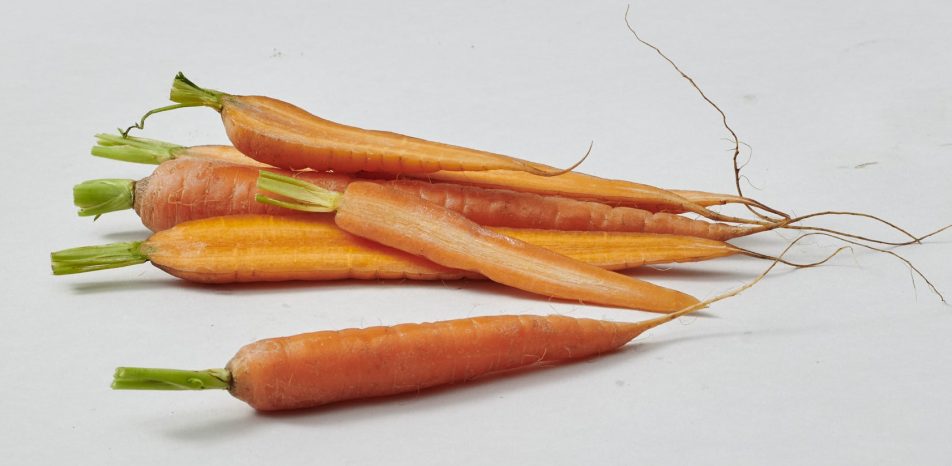
Can cats eat carrots?
Carrots are a superfood for herbivores and omnivores. Raw or cooked, they are full of nutrients, but are carrots good for cats? We’ve peeled back the raw truth. Can cats eat carrots? Yes, cats can safely consume carrots. Unlike some other fruits and vegetables, carrots aren’t toxic and can be used as a healthy ingredient […]
2 mins read
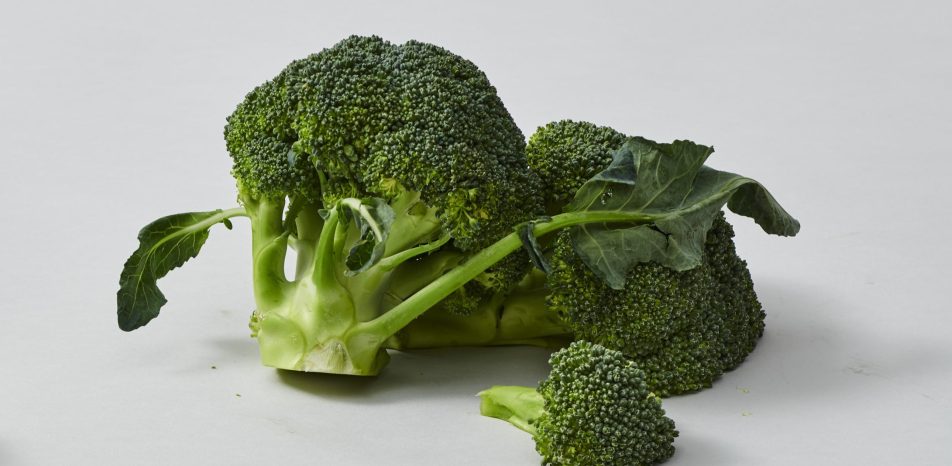
Can cats eat broccoli?
The ‘mini trees’ of the vegetable kingdom, broccoli is known for being a lean, green machine packed with micronutrients that benefit human health. But what about cats; can broccoli be included as an ingredient in cat food? We’ve dug up the basics on this cruciferous bunch. Can cats eat broccoli? Broccoli is not toxic to […]