






Uncategorised
Feline nutrition 101: what’s the best food for my cat?
28 November 2025
Share
What is the best food for cats? Ask the internet and you’ll get hundreds of different opinions. How do you know when it comes to cat nutrition?
Common myths about feeding cats
Many misconceptions about feline nutrition can be tied to misunderstandings of what it means to be an obligate carnivore.
Cats evolved to be hunters, surviving on a diet of small rodents. Everything from their teeth to their intestines have evolved for the consumption of animals. But the average domestic cat leads a very different looking life thantheir wild ancestors’, and their diets have evolved with their living conditions.
Myth 1: Cats need a meat-only diet
It’s true that, unlike dogs, cats can’t eat survive on a vegan diet. Thanks to their need for essential nutrients only found in animal proteins – taurine being a key example – cat’s need a high protein diet. However, high protein doesn’t mean a meat-only diet.
Many vegetables and other ingredients also provide proteins along with other important vegetables. Meat-only diets comes with their own problems, like deficiencies in calcium, vitamin D, and vitamin E.
Myth 2: Cats cannot digest carbohydrates
Believe it or not, cats can make digest carbohydrates! While the feline digestive tract did evolve to digest prey, prioritising protein over other energy sources, that evolutionary changes didn’t entirely remove a cat’s capacity to digest carbohydrates.
Cats can still break down and process many different carbohydrates, which provide more than just sugars used for energy production. Carbohydrates are not useless “fillers” as some may believe. They also provide fibre for good gut health, and other important nutrients that support your cat’s overall health.
Myth 3: Cats should only eat wet food
Many cats prefer wet and fresh food, like The Nosh Project, because of the stronger aroma and meatier texture, but they can eat and digest dry food as well. The important thing is that your cat always has access to fresh drinking water, no matter what type of food they’re fed.
So, what is the best food for cats?
The best food is one that is complete and balanced, which means it delivers all the essential nutrients your cat needs in the right proportions for their size and life stage. Let’s not forget, it also has to appeal to their sometimes fussy tastes! An animal protein should be one of the ingredients at the top of the ingredient list.
The Nosh Project daily diets for cats and kittens are complete and balanced diets made from fresh, natural human-grade Australian ingredients. Every The Nosh Project recipe has been tried and tested by Massey University’s Nutrition Laboratory to ensure it meets the AAFCO nutritional guidelines for cats and kittens.
How often should cats be fed?
Since cats evolved eating a diet of small prey, they’re digestive tract is made to handle multiple small meals throughout the day. At minimum, it’s recommended a cat be fed twice a day.
Kittens need to be fed more frequently. They should get 4-5 meals a day minimum until they’re 6 months old.
How much food should cats get?
As for how much food a cat should get, it depends on the cat and the food in question. It’s best to start by following the feeding guidelines on the food packaging. These guidelines typically outline the total amount of food your cat should get over 24 hours, not the serving sizes for a single meal.
Over time, adjust the amount of food your cat gets every meal as needed to help them maintain a healthy weight.
Healthy, natural, nutritious. Nothing’s made like Nosh. Try The Nosh Project daily diets for cats and kittens today.
Share
Keep reading
3 mins read
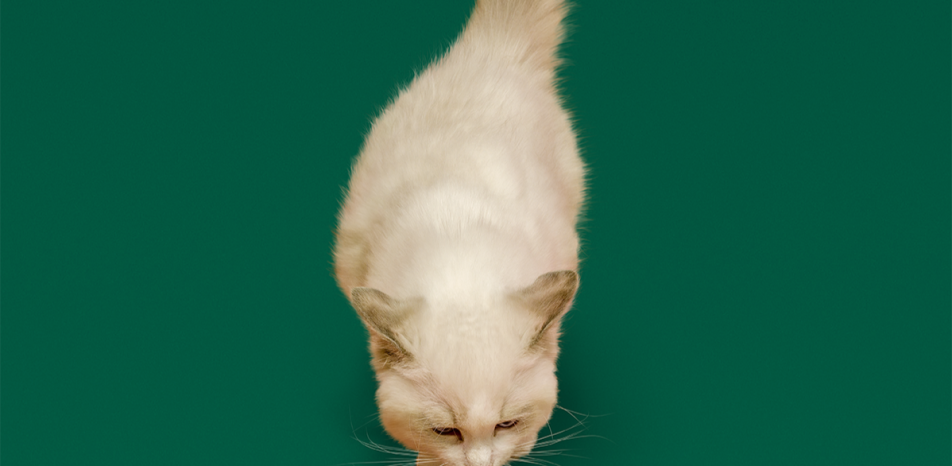
Do cats need a meat-only diet? Unpacking diet myths around obligate carnivores
Cats are the ultimate hunters. From their sensitive ears and eyes to their sharp teeth and shorter intestinal tracts, feline anatomy has evolved to give them an advantage in catching and digesting small prey. But the modern housecat’s lifestyle looks very different to their ancestors’. Read on to learn the facts about obligate carnivores and […]
3 mins read
Feline nutrition 101: what’s the best food for my cat?
What is the best food for cats? Ask the internet and you’ll get hundreds of different opinions. How do you know when it comes to cat nutrition? Common myths about feeding cats Many misconceptions about feline nutrition can be tied to misunderstandings of what it means to be an obligate carnivore. Cats evolved to be […]
3 mins read
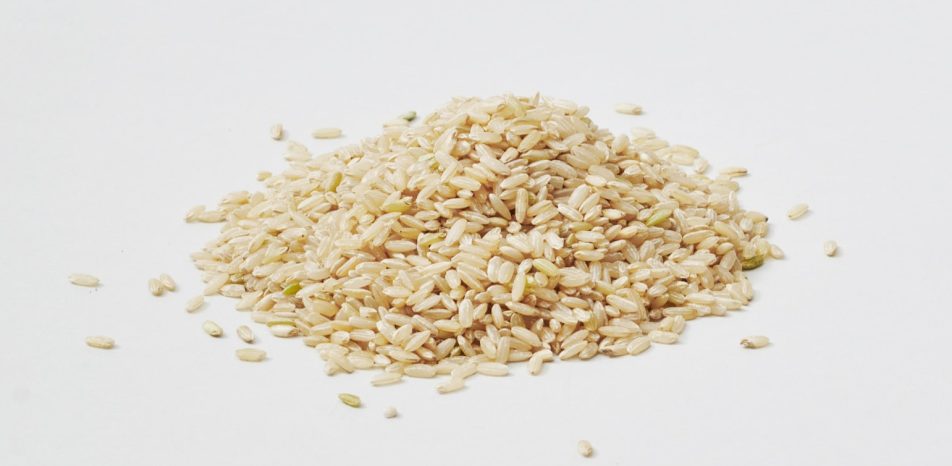
Can cats eat rice?
Rice is found in many pantries around the world, but should this staple grain be a staple in your cat’s diet? We’ve boiled down the basics. Can cats eat rice? The long and short of it, is yes. Plain, cooked rice is not toxic to cats and may be found in existing cat food recipes. […]
3 mins read
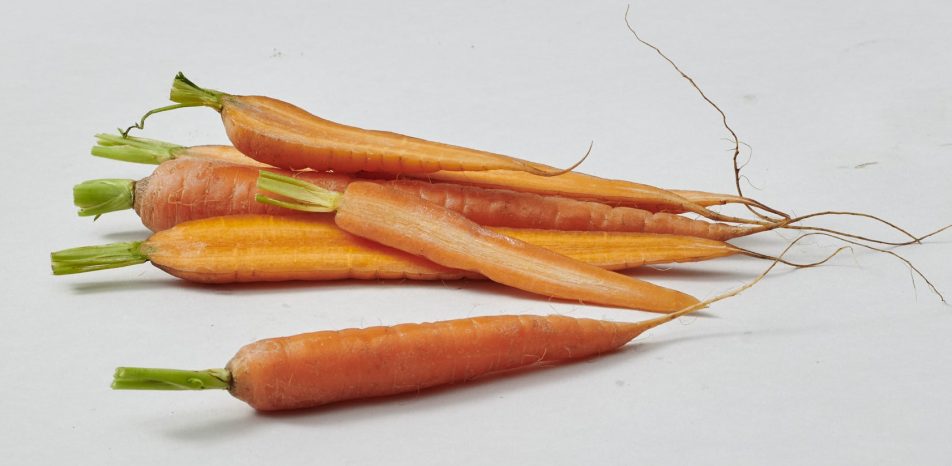
Can cats eat carrots?
Carrots are a superfood for herbivores and omnivores. Raw or cooked, they are full of nutrients, but are carrots good for cats? We’ve peeled back the raw truth. Can cats eat carrots? Yes, cats can safely consume carrots. Unlike some other fruits and vegetables, carrots aren’t toxic and can be used as a healthy ingredient […]
3 mins read
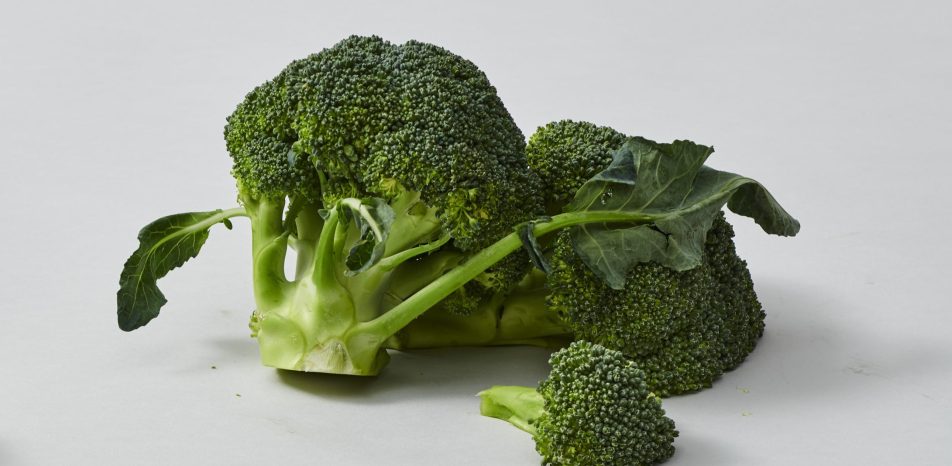
Can cats eat broccoli?
The ‘mini trees’ of the vegetable kingdom, broccoli is known for being a lean, green machine packed with micronutrients that benefit human health. But what about cats; can broccoli be included as an ingredient in cat food? We’ve dug up the basics on this cruciferous bunch. Can cats eat broccoli? Broccoli is not toxic to […]