






Uncategorised
Is homemade food paws-down the best for pets?
6 October 2023
Share
Homemade food and your pet’s wellbeing
The goods on homemade pet food
The fresh pet food market is booming, with more and more pet owners making their pet food at home. But are homemade diets truly the best diet for your pet, or is that idea a load of fluff? If you look at recent studies on homemade pet diets, it’s mostly fluff.
95% of homemade dog food recipes found online are deficient in at least one essential nutrient1.
Some of the more common deficiencies include calcium, vitamin E, zinc, and copper. But it’s not just deficiencies that are a problem; some diets can have too much of a nutrient, like vitamin A, which can lead to toxicities. Both nutrient excesses and deficiencies can seriously impact your pet’s health.
Even if you manage to find a truly complete and balanced diet, changing ingredients can tip that recipe out of balance. The slightest change or even the cooking method will affect the nutritional profile of the food2.
Complete and balanced homemade diets do exist.
It is possible to make complete and balanced pet food at home. You just need a recipe from a trusted source and follow it to the letter. That said, in a world where anyone can call themselves a pet nutritionist, how do you tell if a recipe is right?
One thing you can do is look for recipes that have been tested against The Association of American Feed Control Officials (AAFCO) profiles3. This organisation has established a minimum standard of nutrient requirements for dogs and cats at each life stage.
At Nosh, we believe everyone who wants should be able to cook complete, balanced, and delicious food for their pets. That’s why we provide recipes for free on our website. Each one has been designed and tested by world-leading pet nutritionists to meet AAFCO profiles, so you know your pet’s getting the best there is.
Want to learn more?
- Evaluation of recipes of home-prepared maintenance diets for dogs by J. Stockman et al. Journal of the American Veterinary Association. 2013;242(11):1500-1505.
- Evaluation of owner experiences and adherence to homecooked diet recipes for dogs by L.N. Jonson et al. Journal of Small Animal Practice. 2016;57(1):23-27.
- World Small Animal Veterinary Association’s Global Nutrition Guidelines.
Share
Keep reading

2 mins read
Do cats need a meat-only diet? Unpacking diet myths around obligate carnivores
Cats are the ultimate hunters. From their sensitive ears and eyes to their sharp teeth and shorter intestinal tracts, feline anatomy has evolved to give them an advantage in catching and digesting small prey. But the modern housecat’s lifestyle looks very different to their ancestors’. Read on to learn the facts about obligate carnivores and […]

2 mins read
Feline nutrition 101: what’s the best food for my cat?
What is the best food for cats? Ask the internet and you’ll get hundreds of different opinions. How do you know when it comes to cat nutrition? Common myths about feeding cats Many misconceptions about feline nutrition can be tied to misunderstandings of what it means to be an obligate carnivore. Cats evolved to be […]
2 mins read
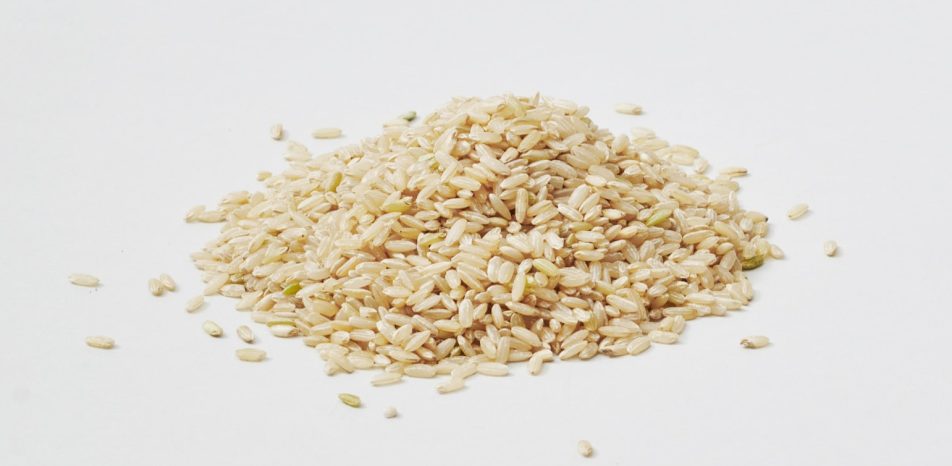
Can cats eat rice?
Rice is found in many pantries around the world, but should this staple grain be a staple in your cat’s diet? We’ve boiled down the basics. Can cats eat rice? The long and short of it, is yes. Plain, cooked rice is not toxic to cats and may be found in existing cat food recipes. […]
2 mins read
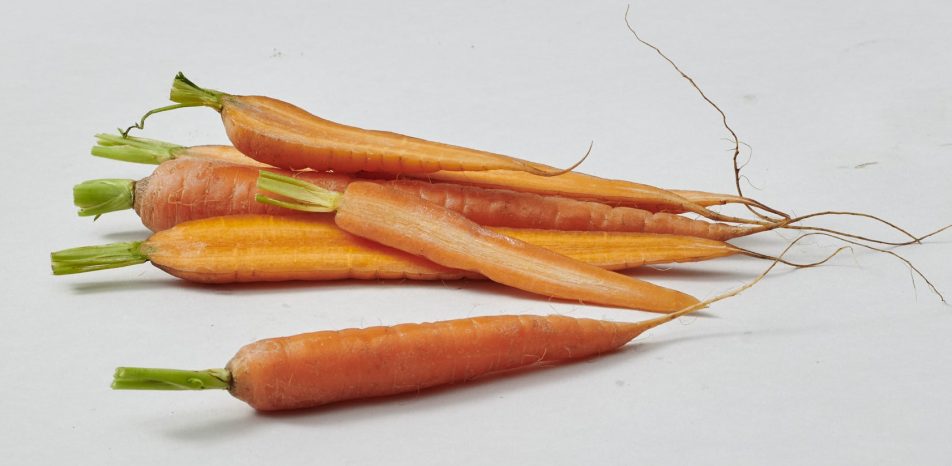
Can cats eat carrots?
Carrots are a superfood for herbivores and omnivores. Raw or cooked, they are full of nutrients, but are carrots good for cats? We’ve peeled back the raw truth. Can cats eat carrots? Yes, cats can safely consume carrots. Unlike some other fruits and vegetables, carrots aren’t toxic and can be used as a healthy ingredient […]
2 mins read
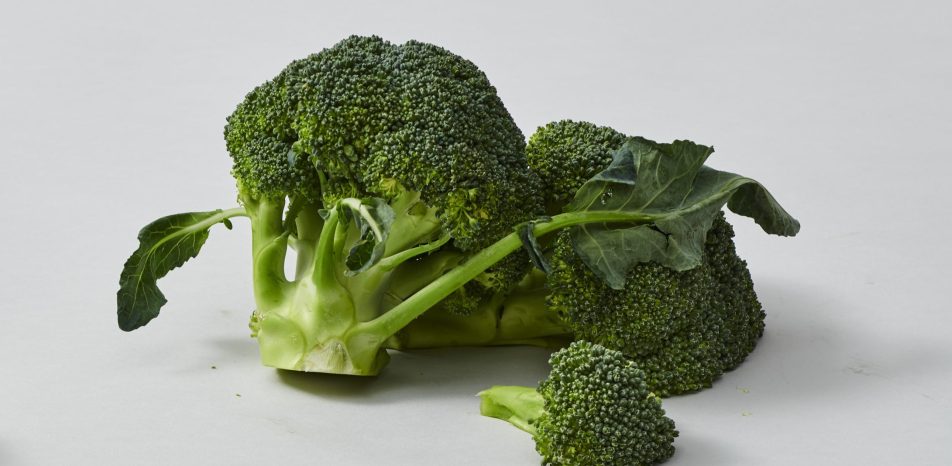
Can cats eat broccoli?
The ‘mini trees’ of the vegetable kingdom, broccoli is known for being a lean, green machine packed with micronutrients that benefit human health. But what about cats; can broccoli be included as an ingredient in cat food? We’ve dug up the basics on this cruciferous bunch. Can cats eat broccoli? Broccoli is not toxic to […]