





Uncategorised
How to mix feed
9 June 2021
Share
If your pet is a fussy eater, you may feel inclined to try mixed feeding. This is a common practice that involves feeding your pet two or more types of food in one bowl e.g. kibble and The Nosh Project. This can be a great way to make kibble more palatable and add fresh food into your dog’s diet.
This could work well for your pet if you’d like to take advantage of the benefits of both dry and fresh foods. Dry kibble has a harder, chewier texture that can maintain healthy teeth and gums, as well as be a more economical option for you.
When topped with fresh and frozen foods, you are providing additional nutrients, wholesome fresh ingredients, and an increased water content that can help with hydration. This is also a great way to increase your dog’s enjoyment at meal time.
How to mix feed The Nosh Project:
The Nosh Project creates home-made style food that you can simply defrost and serve as a delicious daily meal, mixed with other food, or as a topper.
Combine your dog’s current food with their favourite Nosh Daily Diets meal in your preferred ratio. Remember, if you’re mixed feeding, ensure to balance your dog’s calorie intake, and follow each food’s feeding guide.
If ever in doubt, always check with your vet to see if mixed feeding is right for you. It may not be suitable for pets with sensitive stomachs.
Always ensure your chosen food is of a high quality and is complete and balanced.
Share
Keep reading
2 mins read
Do cats need a meat-only diet? Unpacking diet myths around obligate carnivores
Cats are the ultimate hunters. From their sensitive ears and eyes to their sharp teeth and shorter intestinal tracts, feline anatomy has evolved to give them an advantage in catching and digesting small prey. But the modern housecat’s lifestyle looks very different to their ancestors’. Read on to learn the facts about obligate carnivores and […]
2 mins read
Feline nutrition 101: what’s the best food for my cat?
What is the best food for cats? Ask the internet and you’ll get hundreds of different opinions. How do you know when it comes to cat nutrition? Common myths about feeding cats Many misconceptions about feline nutrition can be tied to misunderstandings of what it means to be an obligate carnivore. Cats evolved to be […]
2 mins read
Can cats eat rice?
Rice is found in many pantries around the world, but should this staple grain be a staple in your cat’s diet? We’ve boiled down the basics. Can cats eat rice? The long and short of it, is yes. Plain, cooked rice is not toxic to cats and may be found in existing cat food recipes. […]
2 mins read
Can cats eat carrots?
Carrots are a superfood for herbivores and omnivores. Raw or cooked, they are full of nutrients, but are carrots good for cats? We’ve peeled back the raw truth. Can cats eat carrots? Yes, cats can safely consume carrots. Unlike some other fruits and vegetables, carrots aren’t toxic and can be used as a healthy ingredient […]
2 mins read
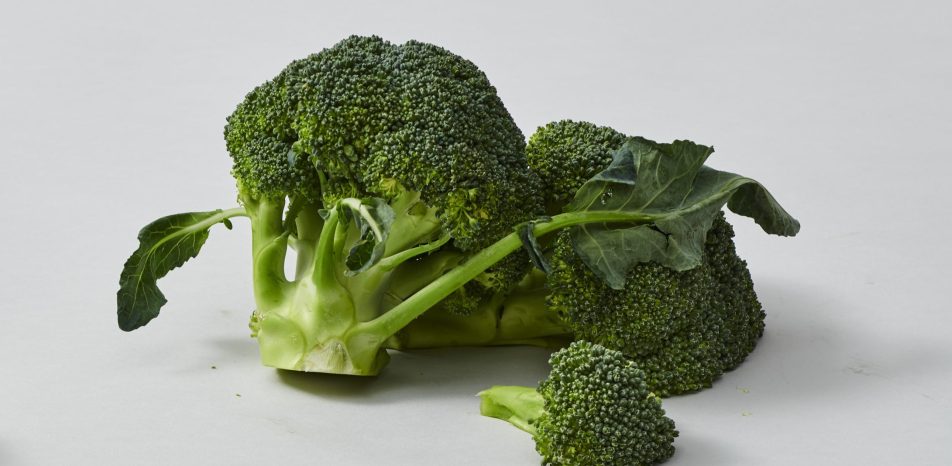
Can cats eat broccoli?
The ‘mini trees’ of the vegetable kingdom, broccoli is known for being a lean, green machine packed with micronutrients that benefit human health. But what about cats; can broccoli be included as an ingredient in cat food? We’ve dug up the basics on this cruciferous bunch. Can cats eat broccoli? Broccoli is not toxic to […]