





Uncategorised
Pet hydration levels
7 July 2021
Share
When it comes to water, we all know its importance for staying hydrated and keeping us functioning. Well, it’s the same for our pets too.
How much our pets drink will depend on many different factors. Their size, diet and environment are just some that may affect this. For example, a dog that is fed solely a dry food diet will seem to drink more than one who is fed wet food because of the water present in the food.
If your pet doesn’t seem to be drinking as much as they should, it may be ‘over-fussiness’ towards their water. Ensure to check:
- There is adequate water available at all times
- It is changed daily
- It is not getting too hot during the day, and
- That it is easily accessible for them. There should be at least one water access point for each pet in the family, plus a spare.
Cats are notorious for only drinking from a running water source as they dislike their whiskers contacting the edge of narrow bowls. This can often be overcome by providing them with a water fountain. These are relatively inexpensive and are often successful in stimulating an increase in water consumption.
How to check your pet’s hydration status
Checking your pet’s hydration status is quick and easy. Their gums should be pink and moist to touch, and the skin on the back of their neck should spring back to normal quickly when released. If their gums are tacky or the skin is slow to return to normal or stays ‘tented’, it’s time to see your vet ASAP.
The next time you are at your local vet they will be more than happy to show you how to perform these quick checks.
If you have any questions or concerns about your pet’s hydration status, it’s important you see your vet as soon as possible. Left untreated, prolonged dehydration can have long-lasting consequences.
Written by Greencross Vets
Share
Keep reading

2 mins read
Do cats need a meat-only diet? Unpacking diet myths around obligate carnivores
Cats are the ultimate hunters. From their sensitive ears and eyes to their sharp teeth and shorter intestinal tracts, feline anatomy has evolved to give them an advantage in catching and digesting small prey. But the modern housecat’s lifestyle looks very different to their ancestors’. Read on to learn the facts about obligate carnivores and […]

2 mins read
Feline nutrition 101: what’s the best food for my cat?
What is the best food for cats? Ask the internet and you’ll get hundreds of different opinions. How do you know when it comes to cat nutrition? Common myths about feeding cats Many misconceptions about feline nutrition can be tied to misunderstandings of what it means to be an obligate carnivore. Cats evolved to be […]
2 mins read
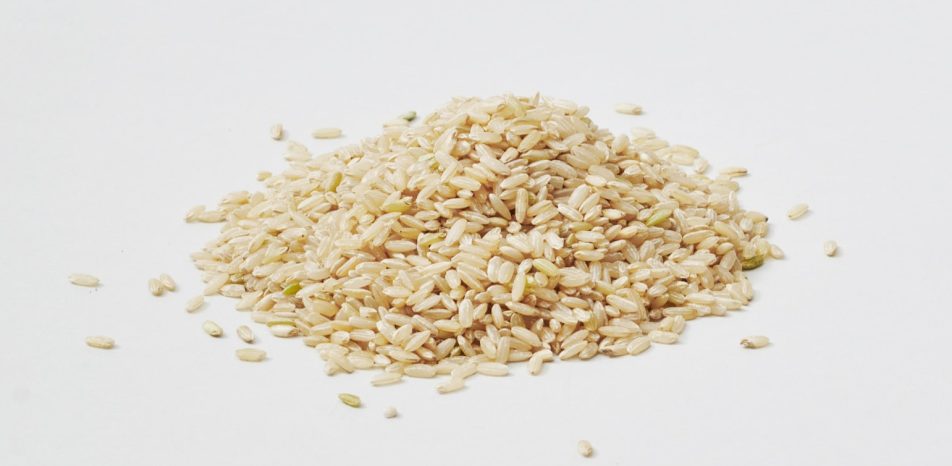
Can cats eat rice?
Rice is found in many pantries around the world, but should this staple grain be a staple in your cat’s diet? We’ve boiled down the basics. Can cats eat rice? The long and short of it, is yes. Plain, cooked rice is not toxic to cats and may be found in existing cat food recipes. […]

2 mins read
Can cats eat carrots?
Carrots are a superfood for herbivores and omnivores. Raw or cooked, they are full of nutrients, but are carrots good for cats? We’ve peeled back the raw truth. Can cats eat carrots? Yes, cats can safely consume carrots. Unlike some other fruits and vegetables, carrots aren’t toxic and can be used as a healthy ingredient […]

2 mins read
Can cats eat broccoli?
The ‘mini trees’ of the vegetable kingdom, broccoli is known for being a lean, green machine packed with micronutrients that benefit human health. But what about cats; can broccoli be included as an ingredient in cat food? We’ve dug up the basics on this cruciferous bunch. Can cats eat broccoli? Broccoli is not toxic to […]