






Uncategorised
What makes food appealing to dogs and cats?
11 January 2024
Share
What makes food appealing to dogs and cats?
If you have a fussy pet, you probably feel like you’ve tried every flavour combination under the sun searching for a food your pet will eat. Chicken, beef, fish, venison, pork, lamb and more – there are a lot of flavour options out there. However, flavour is not necessarily the thing your pet is turning their nose up at.
That’s a fact.
There are other components of food that dogs and cats find more appealing than flavour.
It’s important to note that food preferences are subjective.
Your pet is an individual, with their own preferences when it comes to food. It can take a bit of experimentation to figure out which flavours, textures, and temperatures your pet finds most appealing.
Aroma, temperature, and texture are more important to dogs and cats than flavour.
Dogs and cats have fewer taste buds than humans do1. On average, humans have 2000-8000 taste buds on their tongues. In contrast, dogs only have about 1700 taste buds and cats have around 470 taste buds. Cats also don’t have functioning taste receptors for sweetness.
Dogs and cats may not have many taste buds, but they do have strong olfactory (smell) senses and can detect many more distinct aroma profiles in food than humans can. They will take the time to sniff their food before taking a bite. It’s no surprise that food with a strong aroma that appeals to your pet is one they’re more likely to eat.
Temperature is another factor that can change the appeal of food for your pet. This is thought to relate to how temperature may influence aromas – warmer food has a stronger aroma. In one study examining the palatability of wet food for senior cats at different temperature levels, it was found that most of the cats preferred slightly warm or room temperature food over cold food2.
Texture relates to the form of the food. Is it a soft, wet food with lots of gravy or more of a loaf? Is it made up of crunchy, easy-to-break pieces or does it require more time and effort to chew? Different animals will have different preferences when it comes to texture.
Make sure there’s not a medical reason for your pet’s inappetence.
If your pet suddenly goes off their food or changes their usual eating habits, don’t just brush it off as them being fussy. There’s always the chance your pet is refusing food because they’re unwell or have another issue like mouth pain, so it’s important to visit your vet and make sure there’s no medical reason behind their unusual food refusal.
The Nosh Project is an easy way to add interesting textures, aromas, and visuals to your pet’s normal diet.
Best served at room temperature, Nosh bowls contain a wide range of meat, vegetables, and other high-quality ingredients that are sure to tempt your pet with interesting aromas and textures.
Add a bit of variety to your pet’s diet with Nosh.
Shop Nosh today
Want to learn more?
- Waltham pocket book of essential nutrition for cats and dogs 2nd Edited by D. Grandjean & R. Butterwick.
- Aging cats prefer warm food by R. Eyre et al. Journal of Veterinary Behavior. 2021; 47:86-92.
Share
Keep reading
3 mins read
Do cats need a meat-only diet? Unpacking diet myths around obligate carnivores
Cats are the ultimate hunters. From their sensitive ears and eyes to their sharp teeth and shorter intestinal tracts, feline anatomy has evolved to give them an advantage in catching and digesting small prey. But the modern housecat’s lifestyle looks very different to their ancestors’. Read on to learn the facts about obligate carnivores and […]
3 mins read
Feline nutrition 101: what’s the best food for my cat?
What is the best food for cats? Ask the internet and you’ll get hundreds of different opinions. How do you know when it comes to cat nutrition? Common myths about feeding cats Many misconceptions about feline nutrition can be tied to misunderstandings of what it means to be an obligate carnivore. Cats evolved to be […]
3 mins read
Can cats eat rice?
Rice is found in many pantries around the world, but should this staple grain be a staple in your cat’s diet? We’ve boiled down the basics. Can cats eat rice? The long and short of it, is yes. Plain, cooked rice is not toxic to cats and may be found in existing cat food recipes. […]
3 mins read
Can cats eat carrots?
Carrots are a superfood for herbivores and omnivores. Raw or cooked, they are full of nutrients, but are carrots good for cats? We’ve peeled back the raw truth. Can cats eat carrots? Yes, cats can safely consume carrots. Unlike some other fruits and vegetables, carrots aren’t toxic and can be used as a healthy ingredient […]
3 mins read
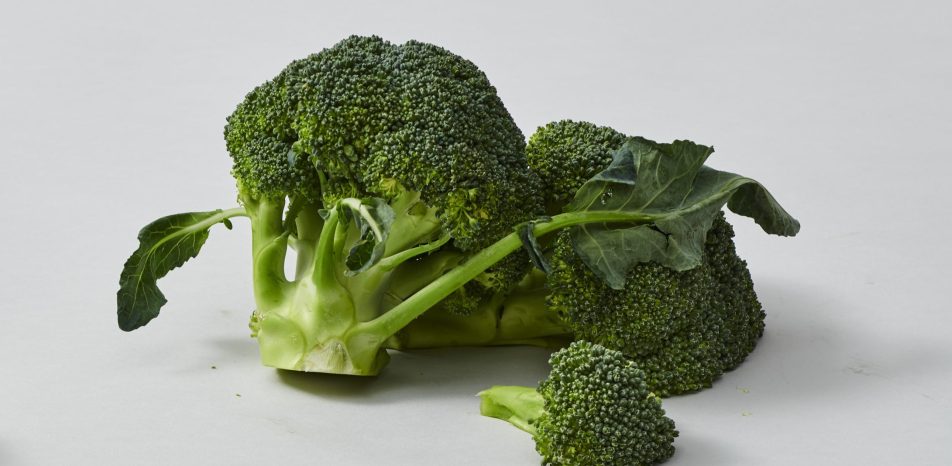
Can cats eat broccoli?
The ‘mini trees’ of the vegetable kingdom, broccoli is known for being a lean, green machine packed with micronutrients that benefit human health. But what about cats; can broccoli be included as an ingredient in cat food? We’ve dug up the basics on this cruciferous bunch. Can cats eat broccoli? Broccoli is not toxic to […]