





Uncategorised
Do cats need a meat-only diet? Unpacking diet myths around obligate carnivores
28 November 2025
Share
Cats are the ultimate hunters. From their sensitive ears and eyes to their sharp teeth and shorter intestinal tracts, feline anatomy has evolved to give them an advantage in catching and digesting small prey. But the modern housecat’s lifestyle looks very different to their ancestors’.
Read on to learn the facts about obligate carnivores and how this dietary requirement influences modern feline diets.
What is an obligate carnivore?
An obligate carnivore is an animal that must eat animal protein as part of their diet. If they don’t consume animal protein, they miss out on essential nutrients their bodies can’t make themselves.
How does being an obligate carnivore influence a cat’s diet?
Cats must have a source of animal protein in their diet. While other food and energy sources like vegetables and grains provide specific nutrients, most nutritionally balanced pet foods will feature an animal protein as a key ingredient.
Key nutrients cats get from animal proteins include:
- Essential amino acids – including taurine, arginine, tryptophan, and others
- Fats & fatty acids – including arachidonic acid and linoleic acids
- Vitamins – including vitamin A, B, D, and E.
What happens if cats go meat-free?
Cats cannot survive on a vegan diet, as their bodies cannot generate certain essential nutrients, such as taurine, within their body. If a cat’s diet is devoid of these essential nutrients, they will develop health issues related to nutrient deficiencies. The symptoms of these health issues is dependent on the specific nutrient(s) they are deficient in.
The most widely known deficiency a meat-free diet will cause in cats is a lack of taurine. An amino acid commonly found in many animal proteins, taurine plays an important role in healthy heart, brain, eye and digestive functions for cats. Sadly, a cat deficient in taurine may develop heart failure, blindness, lethargy, digestive upsets, reproductive difficulties, small birthweight kittens and skin/coat problems.
So, should cats only eat meat then?
Let’s not sway to the opposite extreme! Just because cats need animal protein in their diet, doesn’t mean they should eat an exclusively meat diet. In nature cats will eat muscle meat but also the skin, organs, bones and digesta from their prey, which balances out their nutritional needs. Muscle meat alone is insufficient.
Like many all-or-nothing approaches,
Without appropriate artificial supplementation, meat-only diets are often deficient in:
- Vitamin D – deficiency can lead to musculoskeletal deformities
- Vitamin E – deficiency can result in muscle weakness and vision issues
- Calcium – deficiency can cause muscle tremors, bone abnormalities, and seizures
Despite common misconceptions, cats can digest and utilise , plants, and other ingredients. Historically, wild cats have consumed plant matter from their prey when consuming their gastrointestinal tract. It’s all about balance – which is why cats need a source of animal protein in their diet alongside carbohydrates, plants and other ingredients, to deliver the full range of essential nutrients.
Can cat food meet all their nutritional needs?
Your cat should be fed a complete and balanced diet. This is a diet that has been tested to prove it contains all the essential nutrients in the right proportions that your cat needs to thrive at any life stage.
The Nosh Project recipes are complete and balanced, so you can be assured your cat is getting all the nutrients they need with a healthy dose of taste too. Using the freshest natural Australian nutrients and gently cooked to lock in flavour, it delivers everything your cat needs to thrive.
[SHOP THE NOSH PROJECT CAT DAILY DIETS]
Frequently asked questions about obligate carnivores
What’s the difference between a regular carnivore and an obligate carnivore?
“Carnivore” is an overarching label that describes animals that eat meat. Under this umbrella term you’ll find different types of carnivores, defined by the amount of meat they eat as part of their diet.
An obligate carnivore is a carnivore that must eat animal proteins to stay healthy. Other types of carnivores can sustain themselves on fruits, vegetables, nuts, and other food sources, as well as meat as part of their diets.
Why do cats eat grass if they’re obligate carnivores?
There are many reasons proposed for why a cat may choose to eat grass, including to reduce boredom, to induce vomiting which can help clear furballs, to reduce mild constipation, and simply because they just like the texture/taste.
Are dogs obligate carnivores?
Dogs are not obligate carnivores, as they can stay healthy without eating meat. While cats need to eat animal protein to obtain all the essential nutrients they need, dogs have different nutritional requirements and anatomical differences which means they can source all the essential nutrients they need from alternative plant sources if needed. Lucky them!
Can cats be vegan?
It is strongly recommended to NOT feed cats a vegan diet. Without appropriate supplementation, vegan diets will result in health problems related to deficiencies in essential nutrients. It’s much easier and safer to feed your cat a complete and balanced diet with animal protein. A win for them and a win for you.
Can obligate carnivores eat cooked meat?
Yes, carnivores can eat cooked meat. Cooking raw meat makes it safer to consume, and when cooked slowly and gently, like via the sous vide method used for The Nosh Project, it’s possible to improve food safety without damaging the nutrient profiles of the raw ingredients.
Share
Keep reading
4 mins read
Do cats need a meat-only diet? Unpacking diet myths around obligate carnivores
Cats are the ultimate hunters. From their sensitive ears and eyes to their sharp teeth and shorter intestinal tracts, feline anatomy has evolved to give them an advantage in catching and digesting small prey. But the modern housecat’s lifestyle looks very different to their ancestors’. Read on to learn the facts about obligate carnivores and […]
4 mins read
Feline nutrition 101: what’s the best food for my cat?
What is the best food for cats? Ask the internet and you’ll get hundreds of different opinions. How do you know when it comes to cat nutrition? Common myths about feeding cats Many misconceptions about feline nutrition can be tied to misunderstandings of what it means to be an obligate carnivore. Cats evolved to be […]
4 mins read
Can cats eat rice?
Rice is found in many pantries around the world, but should this staple grain be a staple in your cat’s diet? We’ve boiled down the basics. Can cats eat rice? The long and short of it, is yes. Plain, cooked rice is not toxic to cats and may be found in existing cat food recipes. […]
4 mins read
Can cats eat carrots?
Carrots are a superfood for herbivores and omnivores. Raw or cooked, they are full of nutrients, but are carrots good for cats? We’ve peeled back the raw truth. Can cats eat carrots? Yes, cats can safely consume carrots. Unlike some other fruits and vegetables, carrots aren’t toxic and can be used as a healthy ingredient […]
4 mins read
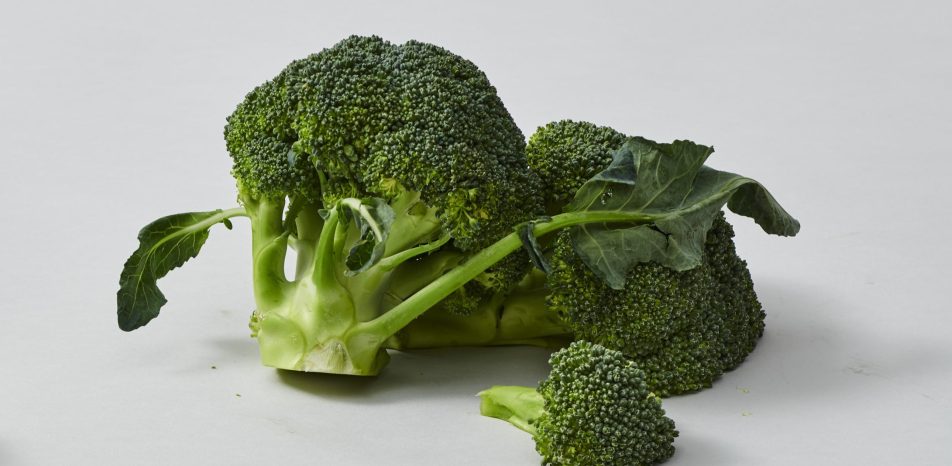
Can cats eat broccoli?
The ‘mini trees’ of the vegetable kingdom, broccoli is known for being a lean, green machine packed with micronutrients that benefit human health. But what about cats; can broccoli be included as an ingredient in cat food? We’ve dug up the basics on this cruciferous bunch. Can cats eat broccoli? Broccoli is not toxic to […]